


















Do you have questions?
Call or text today, we are here to help!
602-422-9870

Curious if solar panels raise your Arizona home's sale price? Here's what buyers, appraisers, and real sellers actually see today.
Every solar salesperson in Phoenix, Tucson, and Mesa will tell you the same thing: install panels and your home value goes up. It sounds simple. But if you are actually planning to sell your Arizona home in the near future, the real answer is more layered than a sales pitch.
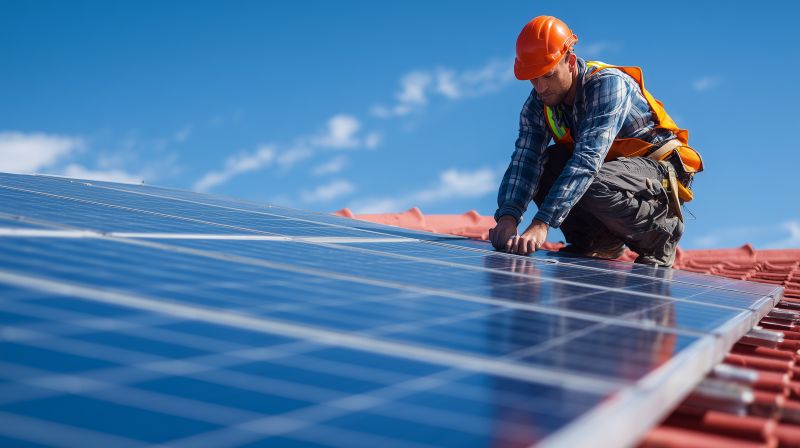
Solar can absolutely add value to a home, but only under certain conditions. The type of system, how it was financed, its age, and even the neighborhood you live in all change the math. Some sellers walk away with a nice premium. Others struggle to explain a lease agreement to a confused buyer.
This article breaks down what actually happens when solar homes hit the Arizona market, based on how buyers, agents, and appraisers really respond, not on what a sales brochure promises.
Studies from real estate research groups have found that homes with owned solar systems tend to sell for a modest premium compared to similar homes without solar. In sunny states like Arizona, where electric bills run high for a good chunk of the year, that premium tends to be even more noticeable than in cooler climates.
The single biggest factor in whether solar helps or hurts a sale is ownership. This distinction matters more than almost anything else in the entire conversation.
Appraisers also weigh in differently depending on ownership. A paid-off system is treated more like a permanent home upgrade, similar to a new roof or updated kitchen. A leased system is treated more like a monthly bill the new owner is inheriting, which is a much harder sell.
Buyers today are more informed than they used to be. Many will ask about the brand and age of the panels before making an offer, and some will even research the best solar panel brands to see if the system on the roof is built to last or already outdated. A ten-year-old system from a brand that no longer exists is a very different conversation than a newer system from a well-known manufacturer with a strong warranty still in place.
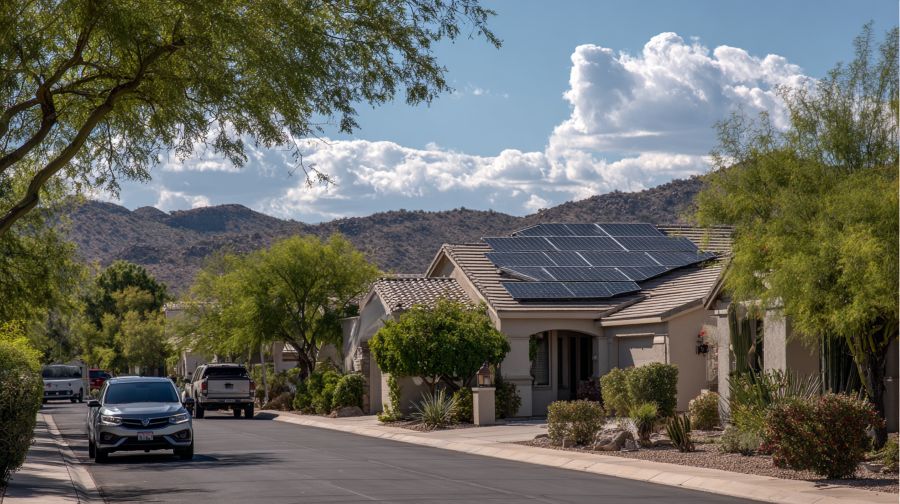
Arizona buyers are not like buyers in other parts of the country. Because summer electric bills can climb well past $300 or $400 a month without solar, local buyers tend to think about energy costs much more seriously than someone shopping in a milder climate.
Real estate agent Melissa Turner, who works with buyers across the Phoenix metro, says solar questions come up almost immediately during showings. "The first thing people ask after checking out the kitchen is what the electric bill looks like," she says. "If the seller can hand over twelve months of actual bills showing low costs, that builds instant trust."
Instead of vague promises about savings, Arizona buyers respond much better to documentation. This includes things like:
Buyers also tend to connect solar with a bigger picture of home efficiency. A house with solar, good insulation, and smart shading choices like the ones discussed in this piece on monsoon-ready window shutters often reads as a home that was cared for as a whole system, not just a house with panels bolted onto the roof as an afterthought.
In newer master-planned communities where many homes already have solar, a system on the roof might not stand out much at all. It becomes an expected feature rather than a bonus. In older neighborhoods where solar is still less common, a well-installed system can make a listing stand out significantly among comparable homes.
Selling a solar home well takes a bit more preparation than selling a standard home. Sellers who treat the system as a selling point, rather than something to gloss over in the listing description, tend to see better results at closing.
Timing matters more than most sellers realize. A system installed within the past five years with a strong warranty remaining will almost always perform better in negotiations than an aging system nearing the end of its expected lifespan. If your panels are getting older, it may be worth getting a performance check before listing, especially since issues like those discussed in Old Panels, New Solar: Arizona's Hidden Upgrade Problem can catch sellers off guard if left unaddressed, so you can speak confidently about output rather than guessing.
Paperwork organization also plays a bigger role than people expect. Buyers and their lenders often want clear answers fast, and a seller who can produce documents quickly looks far more credible than one who has to dig through old emails during escrow. Keep the following ready before you list:
It also helps to think about the whole home as an energy system rather than isolated upgrades. Buyers who are already thinking about efficiency often ask about HVAC upkeep too, and sellers who can point to good maintenance habits, even something as simple as the household filter routine described in this look at keeping HVAC systems running clean, tend to build more overall confidence with cautious buyers.
Pricing the home correctly still matters more than the solar system itself. An agent familiar with local solar sales can help set a fair asking price that reflects the system's real value without inflating the listing beyond what buyers are actually willing to pay for panels on a roof.
Solar can genuinely help your Arizona home sell for more, but it is not an automatic bump just because panels exist. Ownership status, system age, brand reputation, and how well you document everything all shape whether buyers see solar as a gift or a headache. The sellers who do best are the ones who treat their system like any other home upgrade worth explaining clearly and proving with real numbers.
If you are getting ready to list a solar-equipped home, take the time to gather your bills, confirm your ownership paperwork, and understand exactly what you are offering a buyer before the first showing happens. That small bit of preparation is often the difference between a system that quietly adds thousands to your sale price and one that becomes a sticking point during negotiations.
Call or text today, we are here to help!
602-422-9870