





























Do you have questions?
Call or text today, we are here to help!
602-422-9870

A fun summer project turning kids into filter detectives who test, clean, and swap home air filters while learning real HVAC skills.
Every house has a mystery hiding behind a small metal grate, and most kids have never bothered to look. The air filter in your home is quietly working every day, catching dust, pet hair, and pollen before it circulates through the vents. It is also one of the easiest maintenance jobs in the whole house, which makes it a perfect starting point for a kid who wants to feel useful during summer break.
Instead of treating filter checks like a boring chore, this project turns it into a detective mission. Kids look for clues, test their theories, and solve the case of "why does this room feel stuffy." Along the way, they pick up real skills that stick with them long after summer ends. If your family already explored the desert kid's guide to swamp coolers and drip lines, this is a natural next step into how home cooling systems actually work.
Filter maintenance does not require power tools, ladders, or anything dangerous. It requires curiosity, a flashlight, and someone willing to get a little dusty. That combination makes it one of the best entry-level HVAC lessons a parent can offer, and it builds confidence fast because the results are visible right away.
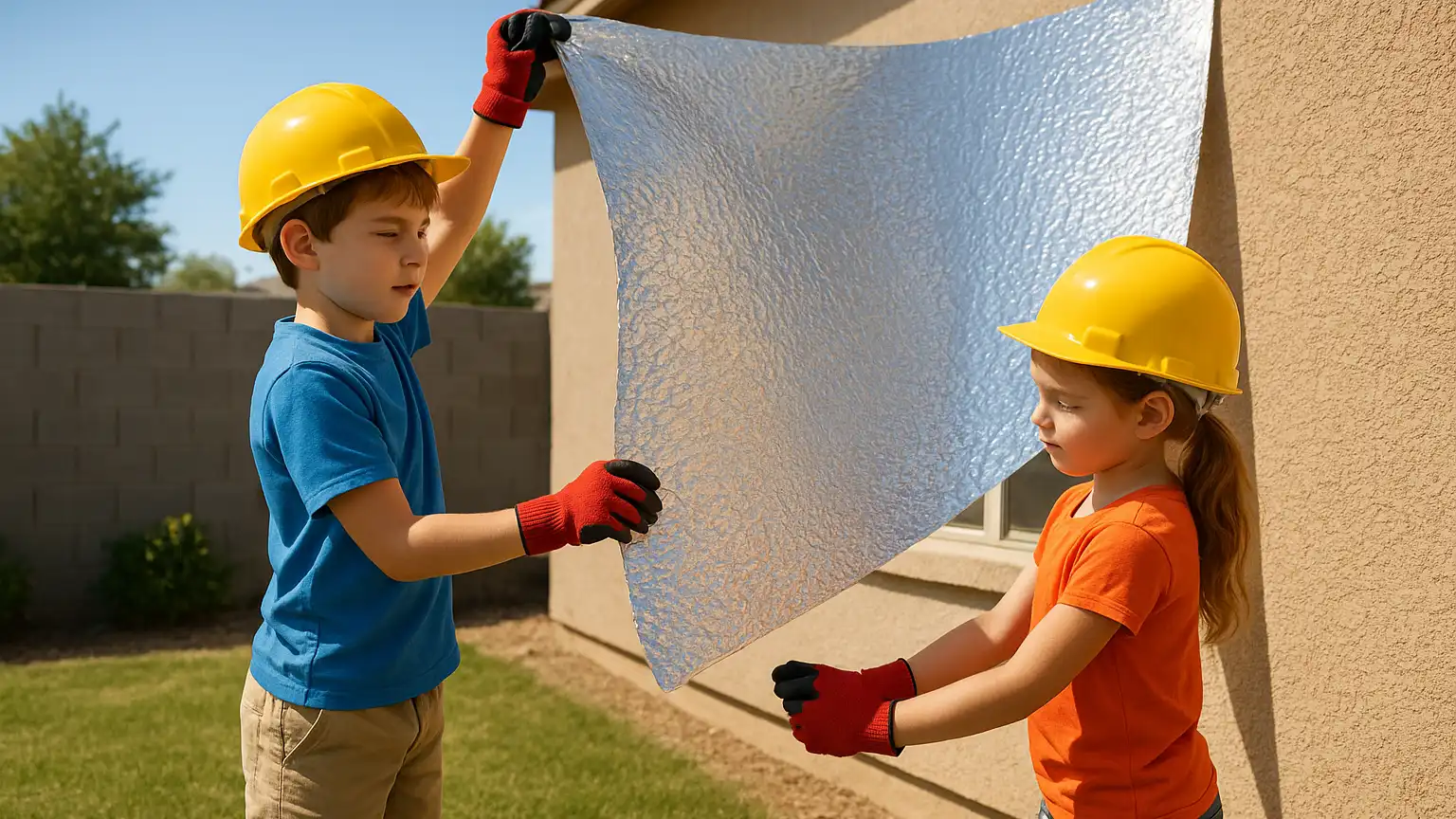
Before kids can fix anything, they need to know how to check it. Testing an air filter is simple enough for almost any age, and it teaches observation skills that apply far beyond HVAC systems.
Have your child remove the filter and hold it up to a window or a bright lamp. If light passes through easily, the filter still has some life left. If the filter looks dark, gray, or blocks most of the light, it is time for a change. This simple visual check turns into a fun experiment kids can repeat every few weeks.
Standing near a vent, kids can feel the airflow with their hand. Weak or barely noticeable airflow often points to a clogged filter. Strong, steady airflow usually means the system is breathing well. This hands-on comparison helps kids connect cause and effect, which is a skill that carries into science class too.
Keeping a simple notebook or chart makes the process feel like a real investigation rather than a random task. Kids enjoy checking things off a list, especially when they get to be the one holding the flashlight and making the call.

Not every filter needs to be thrown away. Many homes use reusable filters that can be cleaned and reused several times before replacement. This part of the project teaches kids patience and attention to detail, since rushing through it can lead to a filter that is not fully dry before it goes back in.
This is a great moment to talk about why patience matters in home maintenance. A damp filter placed back into the system can grow mold or attract even more dust, undoing all the hard work. Letting kids see the "why" behind the waiting time helps the lesson stick.
Kids should always turn off the HVAC system before removing any filter, even a reusable one. It is also worth reminding them to wash their hands afterward, since filters collect a surprising amount of household dust and allergens. These small safety habits are the same ones professionals rely on every day.
“Kids who learn to clean filters properly usually grow into adults who catch small HVAC problems before they become expensive repairs,” says Marcus Feldman, lead maintenance specialist at Handy Squad Services. That kind of early habit building is exactly what makes this summer project worthwhile long after the season ends.
Once a filter is too far gone to clean, it is time for a full replacement. This step feels the most grown up to kids, since it involves picking the correct size, checking the airflow arrow, and fitting everything back into place correctly.
Filters usually have their dimensions printed right on the frame. Kids can practice reading these numbers and matching them to a new filter box, which is a small but satisfying math and reading exercise rolled into one household task.
Every filter has a small arrow printed on the side showing which direction air should flow. Kids often find this detail exciting once they realize it is like a hidden instruction manual. Installing the filter backward can reduce efficiency, so this is a great teaching moment about reading directions carefully.
This routine gives kids a full sense of ownership over the process from start to finish. They are not just watching a parent do the work, they are running the entire investigation themselves, from spotting the clue to closing the case with a fresh filter.
Call or text today, we are here to help!
602-422-9870