

















Do you have questions?
Call or text today, we are here to help!
602-422-9870

Chalky, bowed or brittle slats show which windows bake, where cooling money goes and what floors may be fading. Read the clues before you make an offer.
Most buyers walk into a showing and head straight for the kitchen. The sharp ones stop at the windows first. They look at the blinds.
Blinds hang in the same spot every day, through every July heat wave and every long summer the sellers lived through. When slats turn chalky, bow in the middle or snap at a light touch, they are telling you about the window behind them.
In Arizona, that story matters. A west-facing window in Phoenix, Mesa or Tucson can take hard, direct sun for hours on a summer afternoon. That heat shows up on the power bill, and that UV light shows up on the floors and furniture. The blinds simply show it first.
Sellers fix what buyers notice. They paint walls, swap out light fixtures, steam the carpet and stage the living room. Very few replace old blinds before they list. Fresh paint can hide a lot, but a row of yellowed, curled slats on one wall points right at the window that fights the sun the hardest.
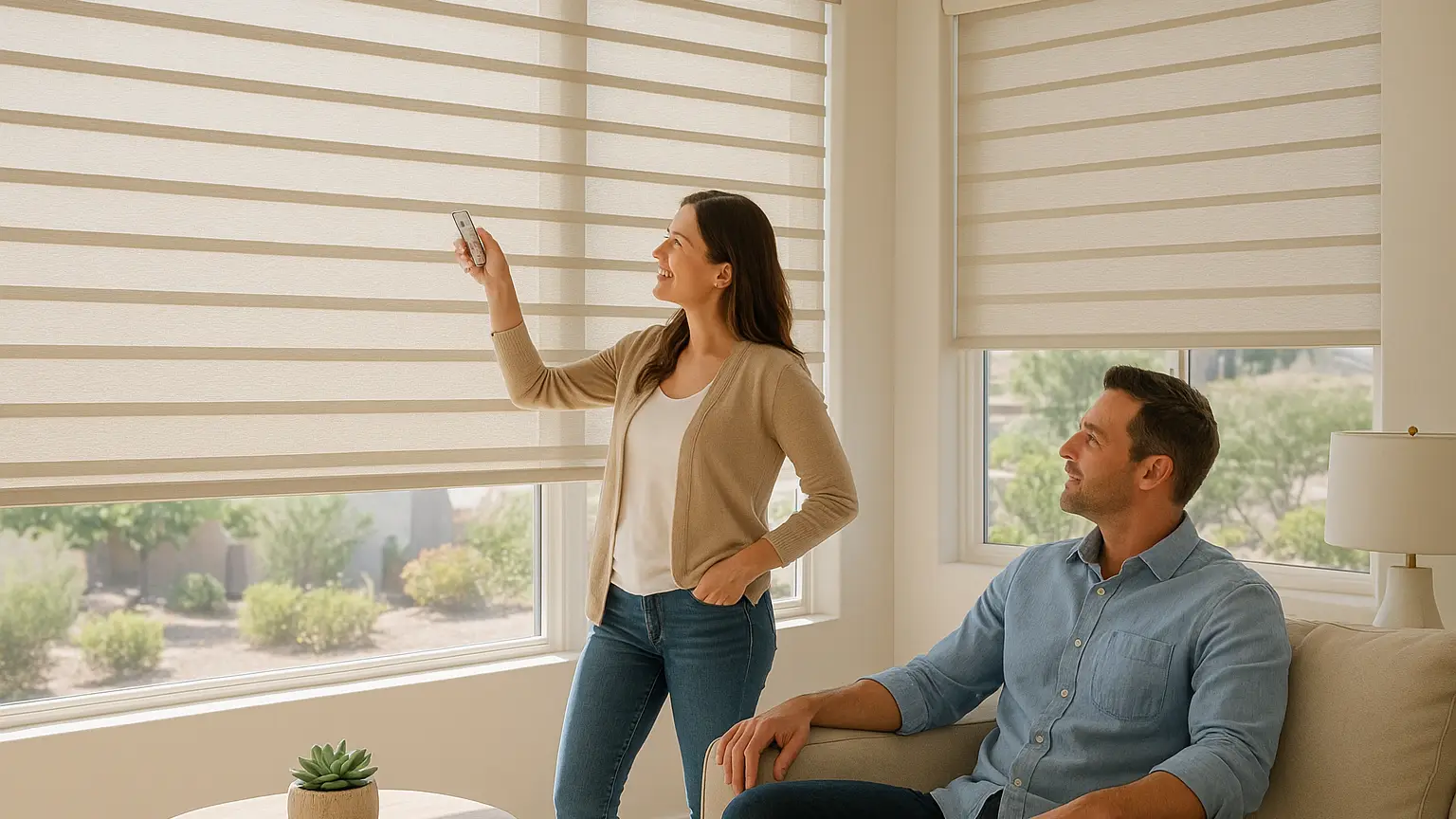
Some newer listings do come with fresh window coverings. Many desert buyers now demand shades that open and close on a timer, so sellers sometimes upgrade before going to market. New coverings look great in photos, but they also wipe away the old clues. When the blinds are brand new, you have to lean harder on questions instead of evidence.
Either way, a few minutes at each window can tell you more about how a home lives in summer than an hour of staring at countertops.
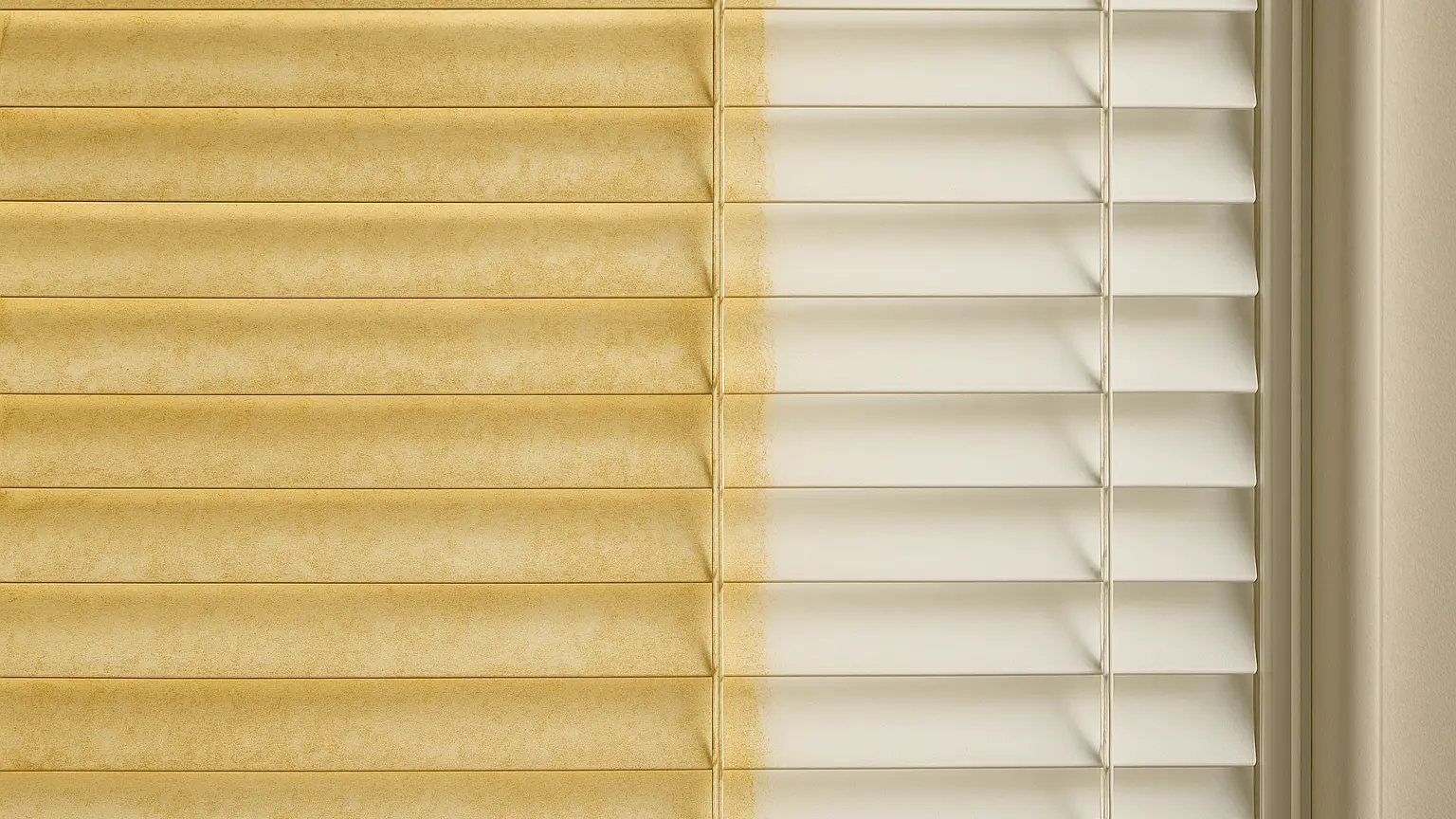
You do not need tools or training, just your eyes, your fingers and a little patience. Here is what each kind of wear usually means.
White blinds that have turned cream or yellow have taken years of UV. Wood and faux wood blinds often fade to a lighter, dull tone. Look for color that changes from slat to slat or from the bottom of the blind to the top, since the lowest part often gets the most sun.
Then tilt the slats closed and compare the side facing the glass to the side facing the room. A big difference means strong, direct sun hits that window for long stretches.
Heat bends things. Vinyl and cheaper faux wood slats can sag in the middle or curl at the ends after a few Arizona summers. If the blinds in one room look wavy and the rest of the house looks fine, that room likely runs much hotter than the others.
Gently press the edge of a slat. If it cracks, chips or flakes, heat and UV have broken the material down. This is the clearest sign of harsh, long-term exposure, the same kind of wear that often sparks rental blinds deposit disputes between landlords and tenants, and it tells you the glass is letting in a lot of solar energy.
Run through these at each window. It takes about a minute per room.
Sliding glass doors are often the biggest sheet of glass in the home, and they tend to face the backyard, which on many Arizona lots means west or south. Wide openings like these often wear vertical blinds on patio doors, and sun-damaged vanes tend to curl, sag or turn yellow along the bottom edge first. If the vanes look tired and the floor in front of the slider looks lighter than the rest of the room, you have found a hot spot.
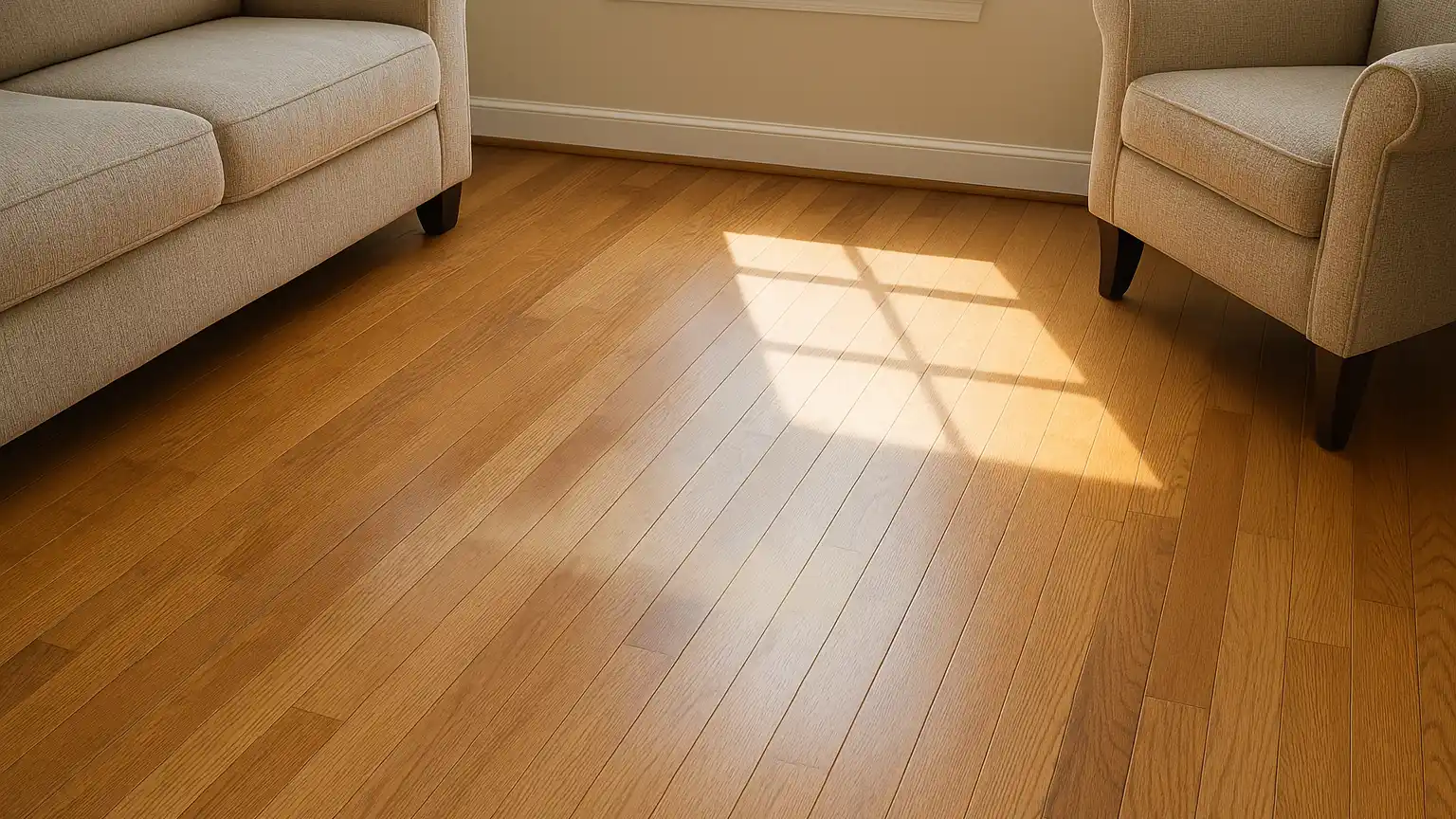
Whatever the sun did to the blinds, it likely did to the room too. Once you spot a bad window, turn around and look at what sits in its path.
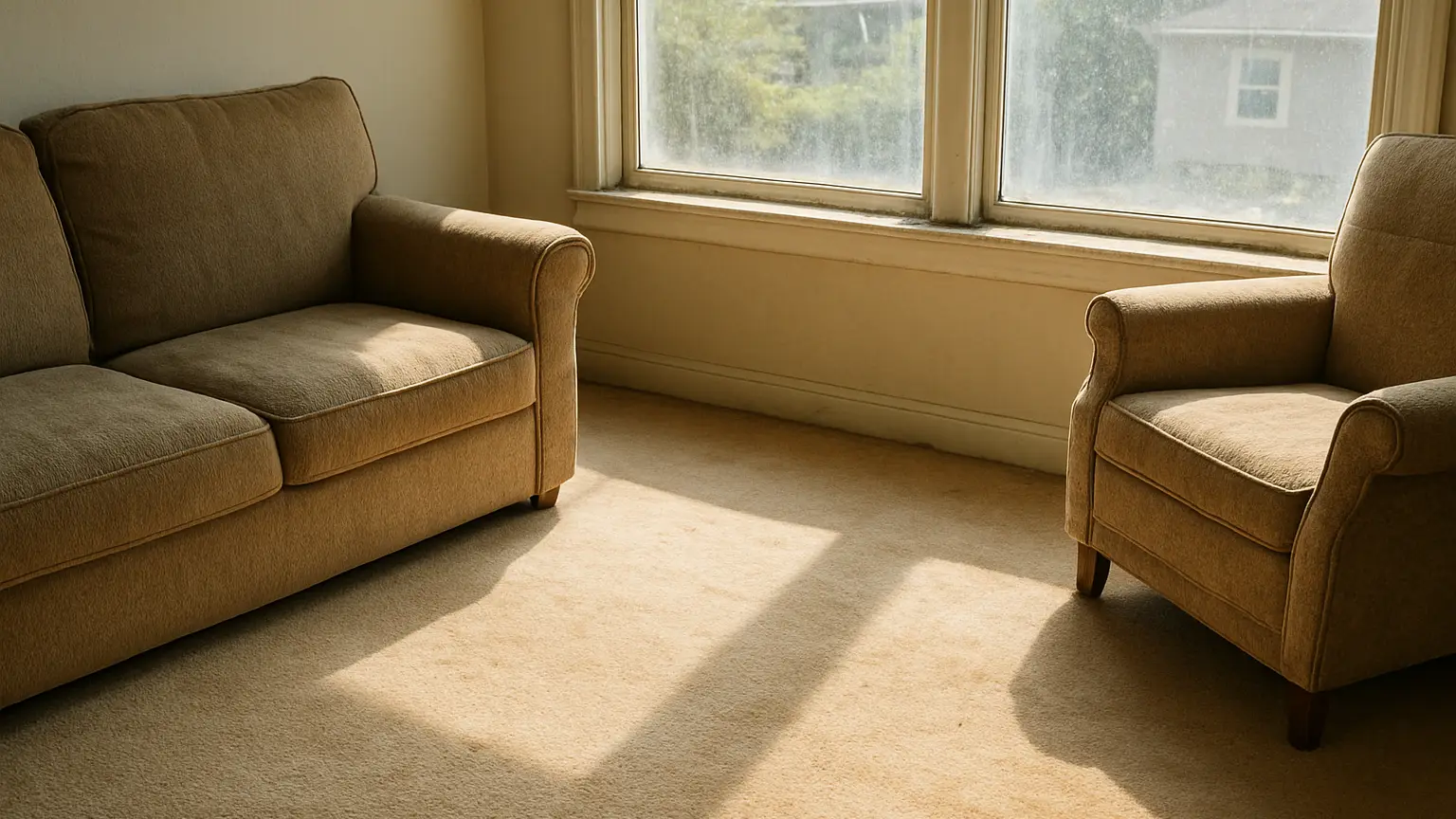
Hardwood, laminate and even some tile grout fade under steady UV. Look for a lighter patch in front of the window, then check under a rug or along the wall where furniture once sat. A clear line between faded and unfaded floor means the sun has been working on that room for a long time. A bright stripe of faded carpet near a sliding door is common in Arizona homes, especially where worn vertical blinds over patio doors no longer block the afternoon glare, and may mean new flooring sooner than you planned.
Sellers usually take their furniture, but built-ins stay. Window seats, cabinets, shelves and stair rails near sunny windows can show faded stain, dry wood or peeling finish, clues you can see even in an empty home.
Here is the part that hits your wallet. Glass that lets enough sun through to cook a set of blinds also lets heat pour into the house, and your air conditioner has to work harder to push it back out. Rooms with the worst blinds are often the rooms that stay warm long after sunset. Local window pros see this pattern all the time.
“Faded slats are basically a sun map,” says Marcus Delgado, senior design consultant at Rapid Blinds. “If the blinds on one wall look ten years older than the blinds on every other wall, that is where the heat and UV are getting in. That is also the room buyers end up complaining about in August.”
That does not mean the house is a bad buy. It means you now know where the money will go. Better blinds, solar screens, window film or new windows can all help. Knowing this before you make an offer gives you a real number to plan around, and sometimes a reason to ask for a credit.
Once the blinds have shown you where the trouble is, it is time to ask. Your agent can send these questions to the listing agent, or you can ask in person if the seller is home. Clear, simple questions often get the most honest answers.
Use the compass on your phone while you stand at the back door. In Arizona, west windows usually take the strongest afternoon heat. South windows get long sun in winter, which can be nice. East windows warm up early but cool off by afternoon. North windows stay the gentlest. If the worst blinds are on the west side, the clue and the compass agree. “In Phoenix homes, the west wall is almost always the one that needs help first,” says Daniel Ortega, senior window specialist at Rapid Blinds.
Ask for twelve months of electric bills so you see the summer peaks, not only the mild months. A huge jump from June through September is normal in Arizona, but a jump far higher than similar homes nearby is worth a closer look.
That question about avoided rooms is a quiet gem. People often admit, “Oh, nobody sat in the back room in July.” That tells you more than any spec sheet.
Old single pane windows and dull aluminum frames are common in older Arizona homes. If the blinds look rough and the windows look original, it may be time to price new ones. Comparing quotes from several local installers, like these Gilbert window companies, can turn a vague worry into a real cost before you sign anything.
Write down what you found in each room and share it with your agent and your home inspector, who can check the window seals, frames and insulation more closely. Together, these notes help you decide whether to ask for repairs, a price cut or simply budget for upgrades after closing.
Faded, warped and brittle blinds are small details that carry big news. They show which windows take the harshest Arizona sun, which rooms will run hot, where cooling dollars will drain away and where floors and finishes have already started to fade. A look at the color, a gentle press on a slat and a glance at the floor beneath it can reveal years of history that fresh paint and good staging tend to hide.
Pair those clues with a compass check, a full year of power bills and a few honest questions for the seller, and you walk into your offer with real facts instead of guesses. The blinds cannot talk, but if you take the time to look, they say plenty.
Call or text today, we are here to help!
602-422-9870