






















Do you have questions?
Call or text today, we are here to help!
602-422-9870

A three-part Arizona guide to reading garage door warning signs, pricing patches against replacement, and deciding before monsoon season forces your hand.
This is a three-part series about one question that comes up in almost every Arizona driveway: should you repair the garage door, or replace it? The parts below take that question apart in order, from the first strange noise to the final signed install date.
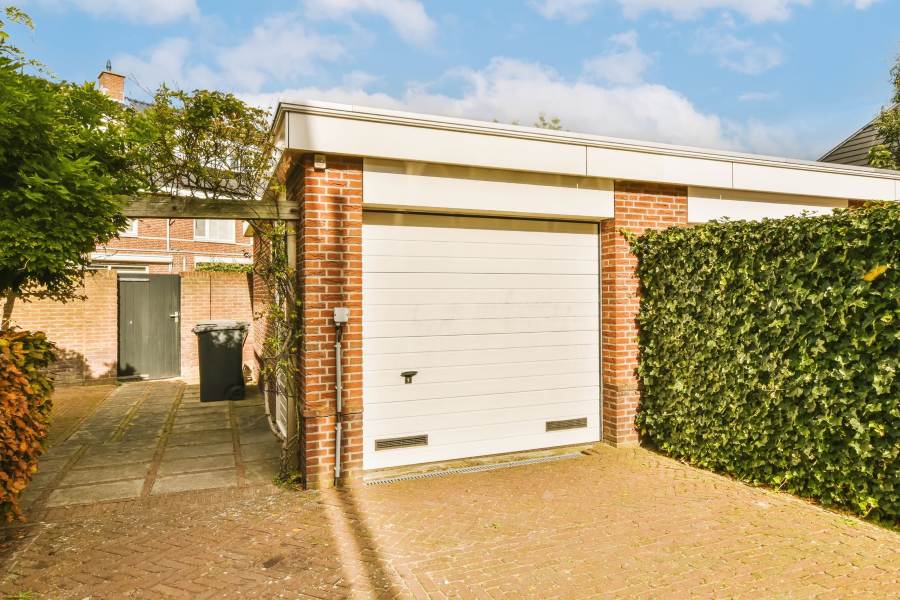
It is written for homeowners in Phoenix, Scottsdale, Mesa, Gilbert, Chandler and the rest of the Valley who have a door that still opens, mostly, but sounds worse every month. Maybe a panel is warping. Maybe the opener hesitates before it commits. In our climate those small things rarely stay small. Heat cycles, UV, and dust do slow, steady damage that a single service call does not undo, and the cost of guessing wrong shows up either as a driveway full of repair invoices or as a door you replaced a year too early.
Technical input for the series came from On Track Garage Door Service, a Valley company that works on desert doors year round. Their field notes on what actually fails first here helped shape how each part sets its thresholds.
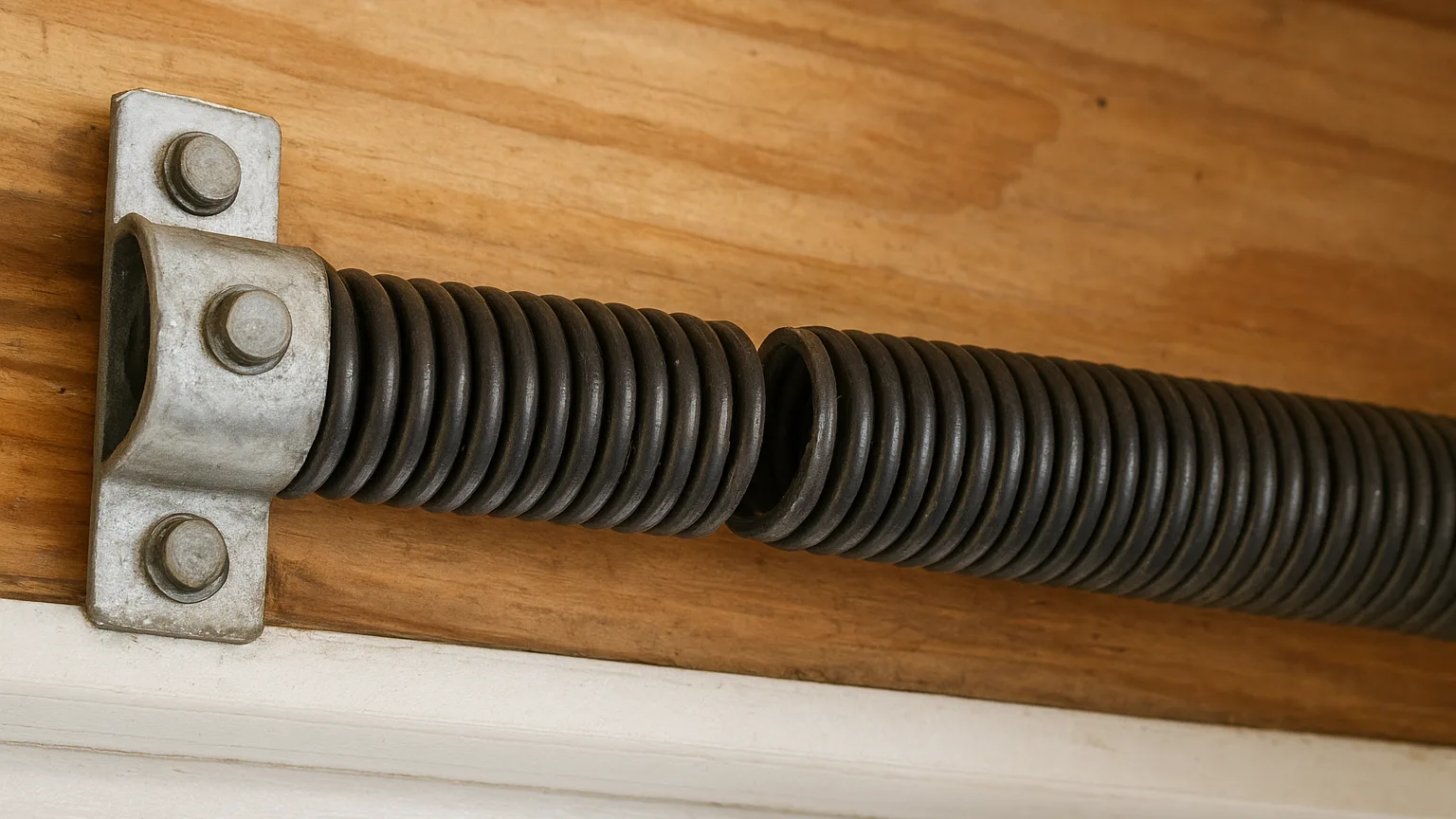
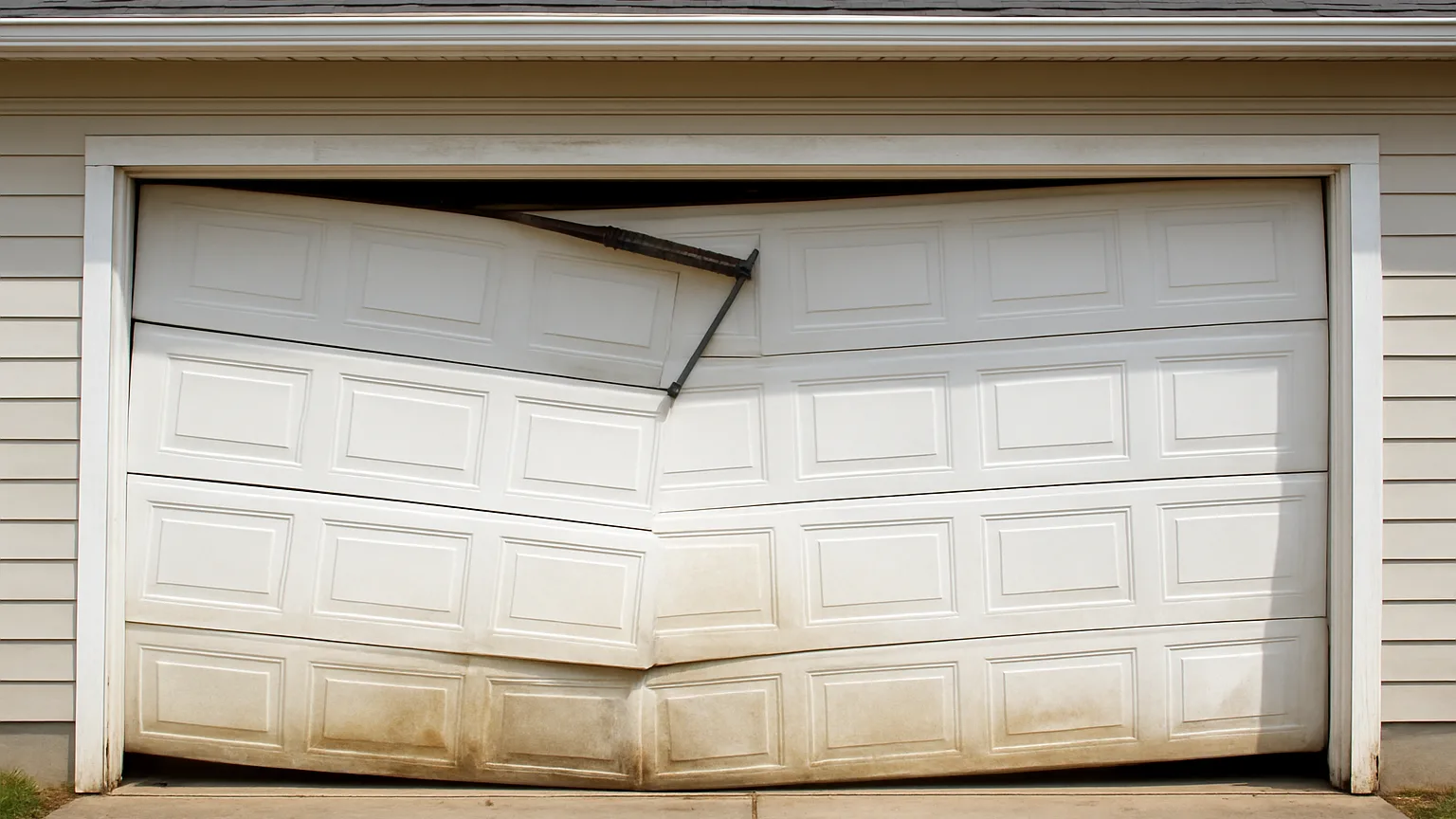
Part 1: 7 Garage Door Warning Signs Arizona Homeowners Write Off as "Just the Heat"
A room-by-room, panel-by-panel diagnostic walkthrough of the sounds, sags, cracks, and sluggish openings that tell you whether your door has a small problem or a failing system.
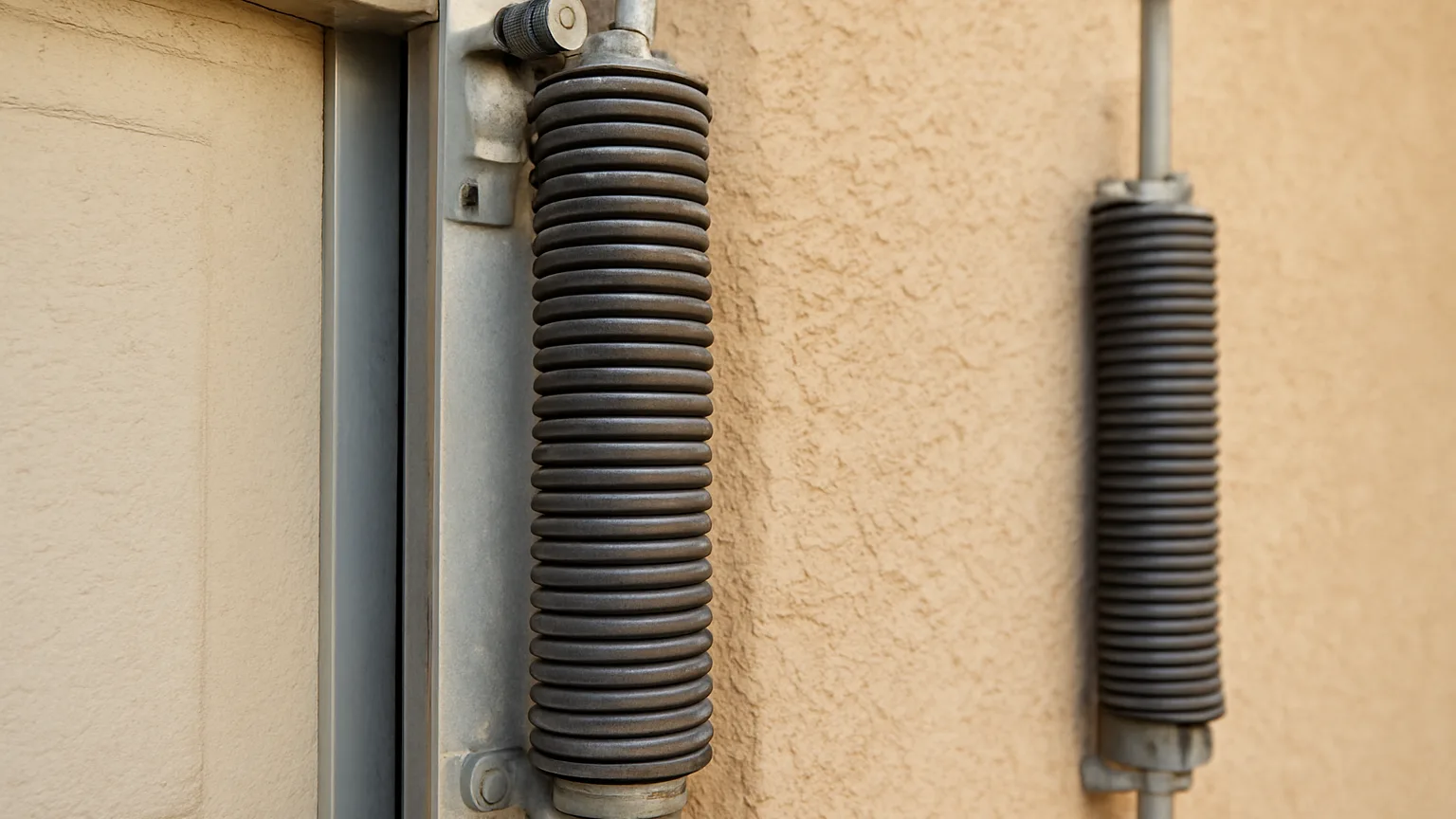
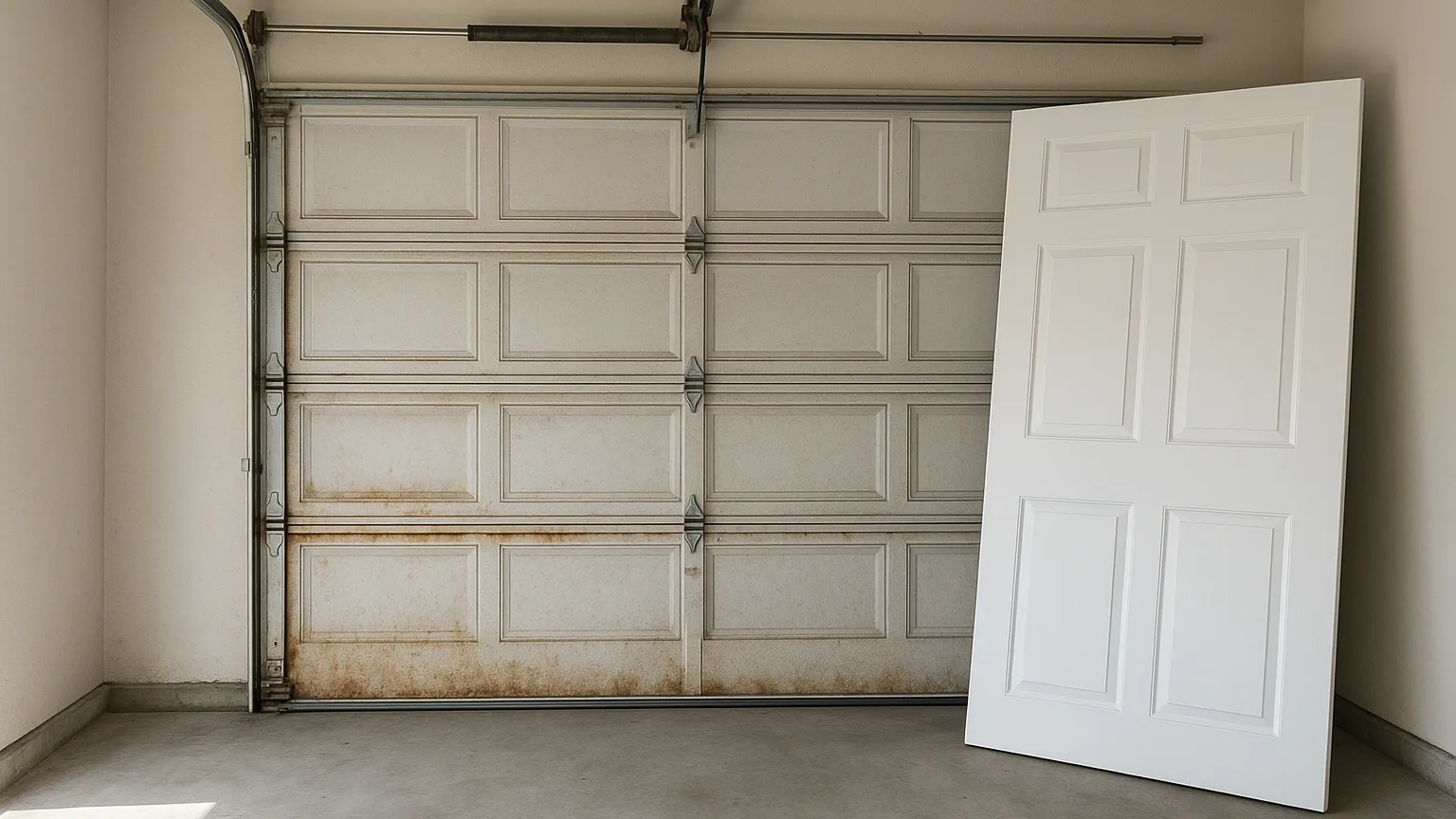
Part 2: Why the Cheap Repair Is Usually the Expensive Choice in the Desert
A straight cost comparison of patching springs, panels, and openers versus full replacement — including how 115-degree summers, UV damage, and monsoon dust shorten the life of every "quick fix."
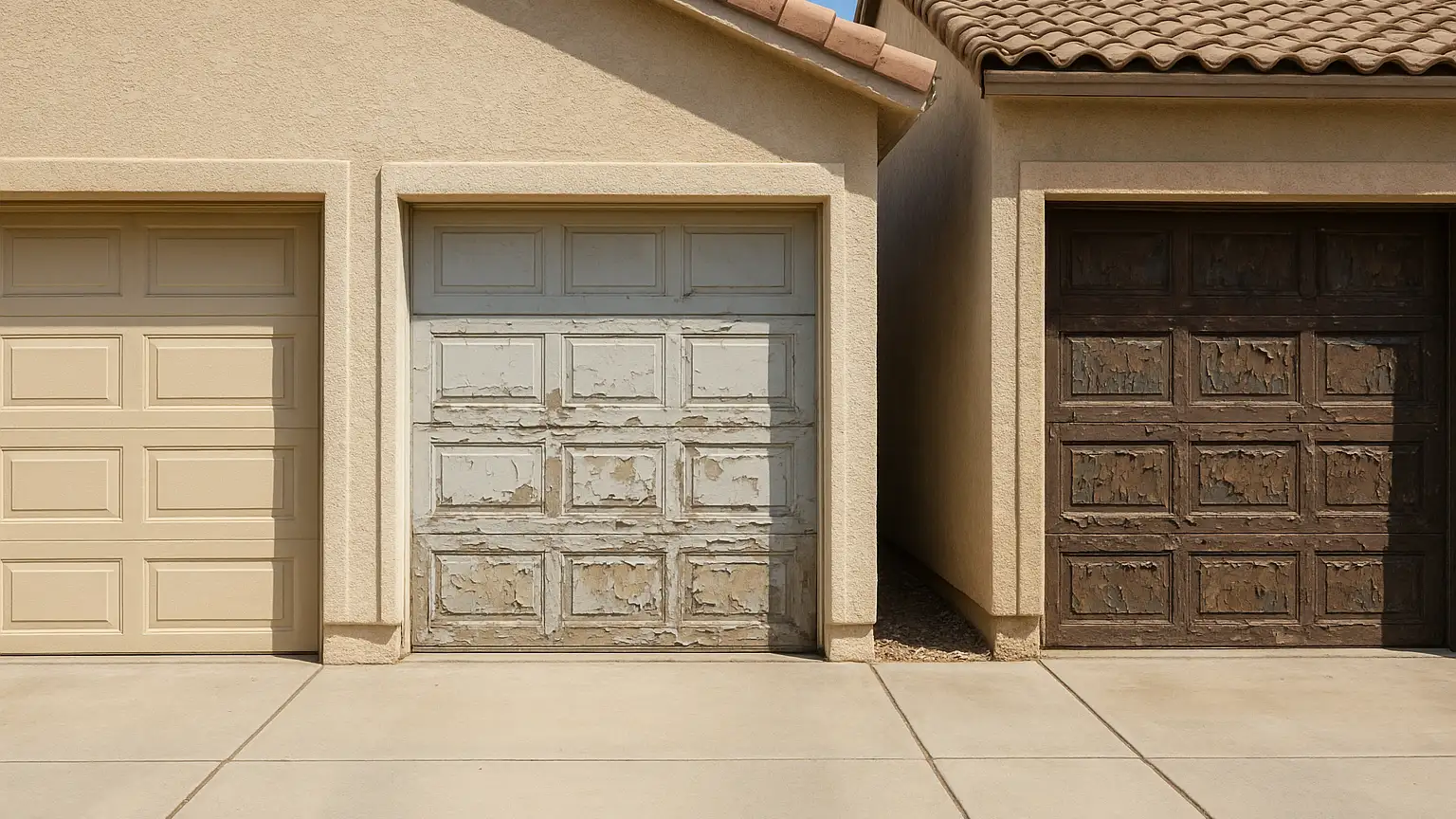
Part 3: The Case for Deciding Before Monsoon Season Hits
What waiting really costs Arizona homeowners in emergency service premiums, contractor backlogs, HOA approval delays, insulation and resale value — plus how to vet an installer and choose a door built for our climate.
The first part is a hands-on walkthrough. You stand in the garage, run the door once, and pay attention to seven specific things Arizona owners tend to blame on the heat and then forget about. The point is not to turn you into a technician. It is to help you tell the difference between one worn part and a system that is coming apart.
Among the signals it walks through:
Each sign comes with what it usually means, what it costs to ignore, and whether it belongs in the fix-it column or the plan-a-replacement column.
The second part puts real dollar ranges side by side: springs, cables, rollers, single-panel swaps, opener rebuilds, and full replacement. Then it does the part most articles skip and stretches those numbers across several Arizona summers, because a repair that lasts eight years in Oregon may last three here.
That is where the desert math turns. A 115-degree garage bakes lubricant out of bearings and cooks the finish off steel. Monsoon dust turns tracks into sandpaper. Replace one panel on a fifteen-year-old door and you often end up with a mismatched section that fails next, which is why owners weighing insulated models or patio garage doors for a back living space usually find the full-door math easier to defend than three more patches. Crews at On Track Garage Door see the same pattern across older Phoenix neighborhoods, where the second or third repair on the same door costs more than starting fresh.
You finish this part with a rough break-even point for your own door's age and condition.
The third part covers what waiting actually costs. Emergency service after a July storm carries a premium. Installer calendars fill fast once the heat and the wind start breaking doors. HOA approval on color and style can add weeks before anyone touches your opening, and homes in tighter communities served by On Track Garage Door often need that paperwork started first.
It also covers the choosing part: insulation values that hold garage temperatures down, finishes that survive direct west sun, hardware rated for our dust, and the questions that separate a solid installer from a fast quote. Resale gets its place too, since a clean, matched door reads as maintenance done right to any buyer walking up.
If your door is acting up and you are not sure how serious it is, begin with part one and work forward. The three parts build on each other, and the diagnosis makes the cost comparison much easier to apply to your own situation.
If you already know something is wrong and you are stuck on whether to spend a little now or more later, go straight to part two. If the decision is made and the only question is timing, scheduling, and picking the right door for the climate, part three is your page.
<<Call or text today, we are here to help!
602-422-9870