

























Do you have questions?
Call or text today, we are here to help!
602-422-9870

Waiting on a garage door decision in Arizona has a price tag. Here's what delay costs, plus how to vet installers and pick a desert-ready door.
Part 3 of 3 in the series Desert-Proof Doors: The Arizona Repair-or-Replace Playbook.
Part two put real numbers next to the patch-it-again habit, and the math kept landing in the same place: repeated small repairs on a sun-baked door quietly cost more than one good replacement. This last piece is about the cost nobody puts on an invoice, which is the price of waiting.
This series was developed with insights from On Track Garage Door Service, whose crews spend Arizona summers on driveways from Scottsdale to Surprise and see exactly how a July "I'll deal with it later" turns into an August emergency call. Monsoon season runs mid-June through September, bringing dust walls, sideways rain, and 60 mph gusts. It also brings something less dramatic and just as expensive: a service industry running at full capacity with no room for your non-emergency job. In the desert, timing is a line item.
A garage door decision delayed is not a decision avoided. It is a decision handed over to weather and scheduling. Here is where the money leaks:
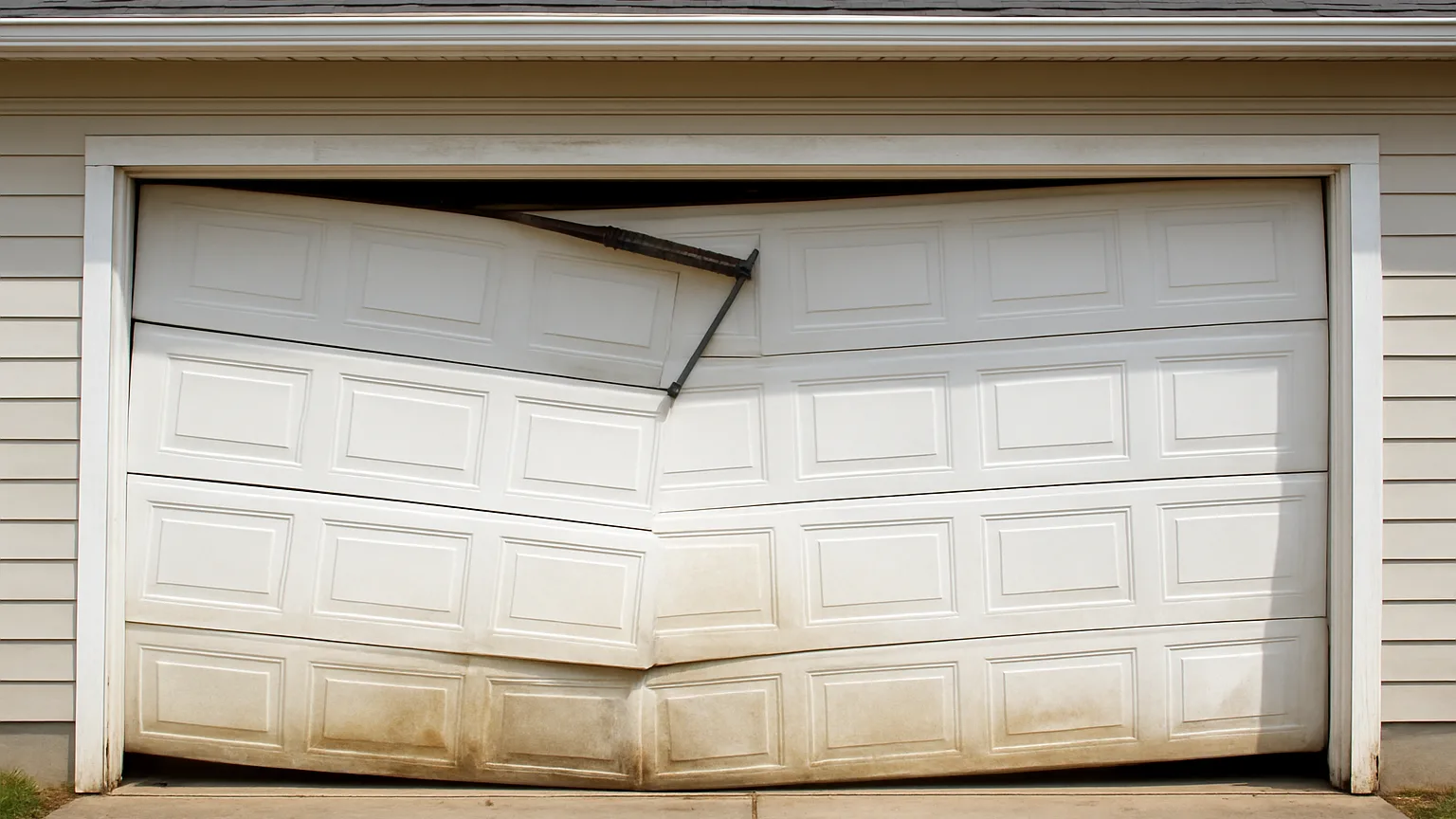
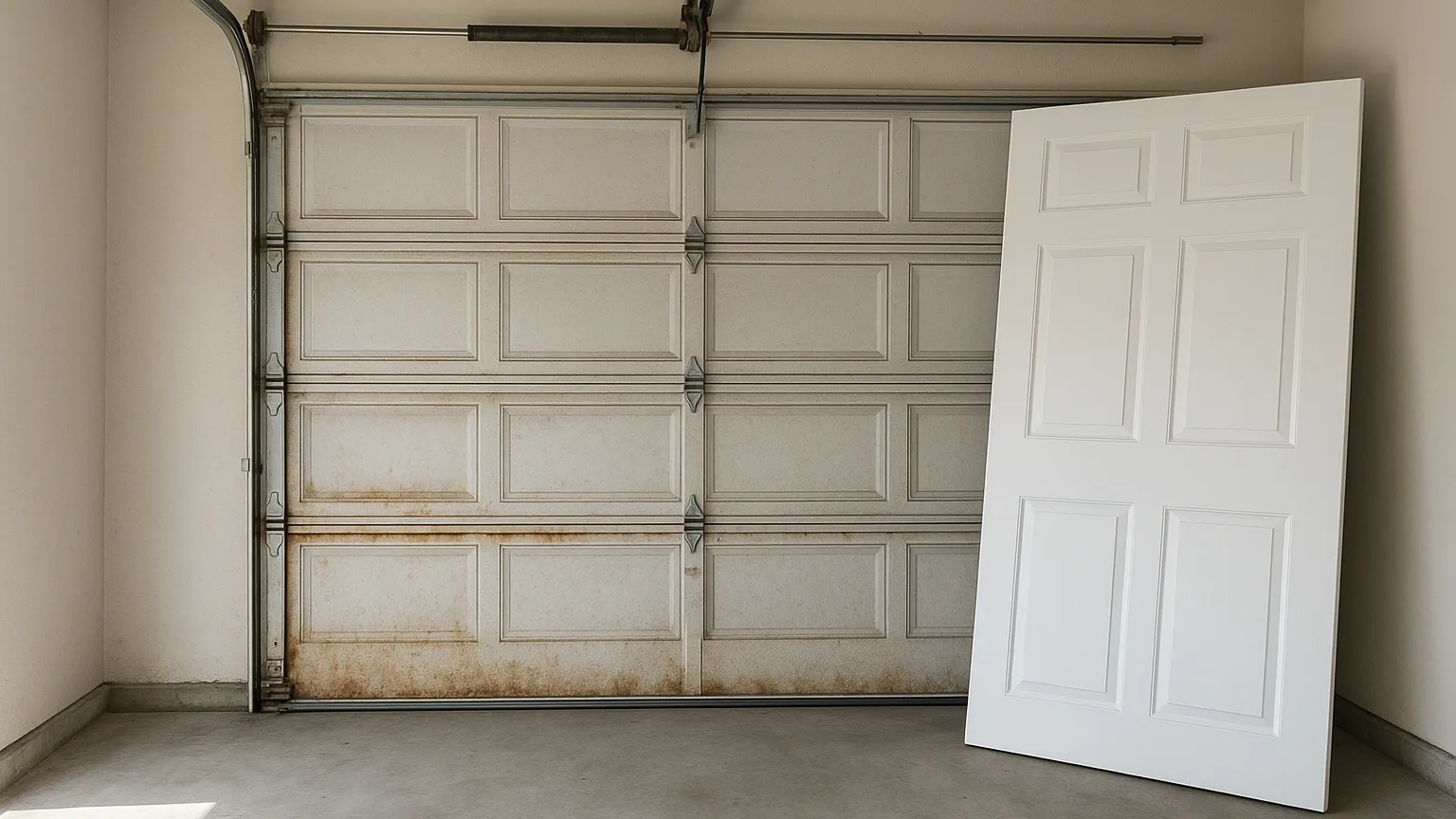
Across much of the Valley, from Anthem to Gilbert to the master-planned communities out in Buckeye, your garage door is a street-facing architectural element, and the review committee has opinions about it. Most committees meet monthly, some every six weeks. Submit a modification request in early June and you may not have written approval until late July, and that assumes complete paperwork on the first pass. A missing color code, spec sheet, or elevation photo sends you back for another cycle. Add manufacturing time on top: a homeowner who starts in February has a new door hanging before the first dust storm, while one who starts in June lives with a failing door through the entire storm season.
A clean submission usually includes a few predictable items, and gathering them takes an afternoon:
Anyone still weighing whether the door is truly worn out or just noisy should revisit the diagnostic checks in garage door warning signs arizona before filling out a single form, because approval on a door you do not actually need is wasted effort.
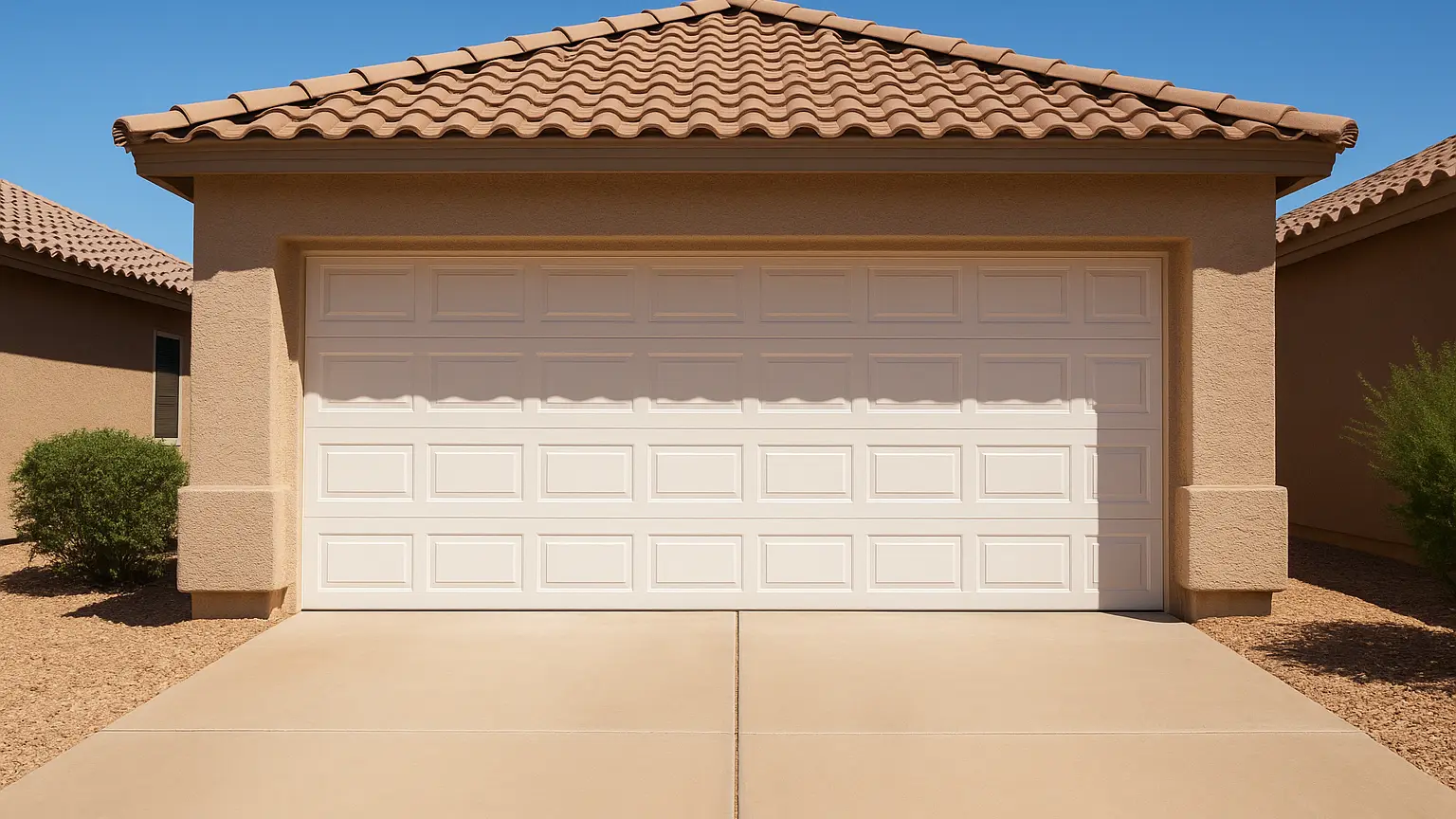
A door that performs beautifully in Ohio can fail early here. Relentless UV, extreme thermal cycling, and abrasive dust punish materials that never see that kind of load elsewhere. Spec the door for the climate, not the catalog photo.
Insulation value. An attached garage that hits 140 degrees pushes heat straight into the adjoining wall. A polyurethane-insulated door with an R-value in the 12 to 18 range makes a measurable difference in comfort and cooling load. Polystyrene costs less and insulates less. If your garage doubles as a gym, workshop, or storage for anything temperature-sensitive, this is where the money goes.
Steel, finish, and wind rating. Thin steel dents and oil-cans across large panels, so look for two-layer or three-layer construction with a baked-on finish rated for UV exposure; lighter colors reflect more and stay dimensionally stable longer. Monsoon gusts push hard on a 16-foot span, and reinforced struts plus heavy-duty track brackets keep the door from bowing at the exact moment you need it to hold.
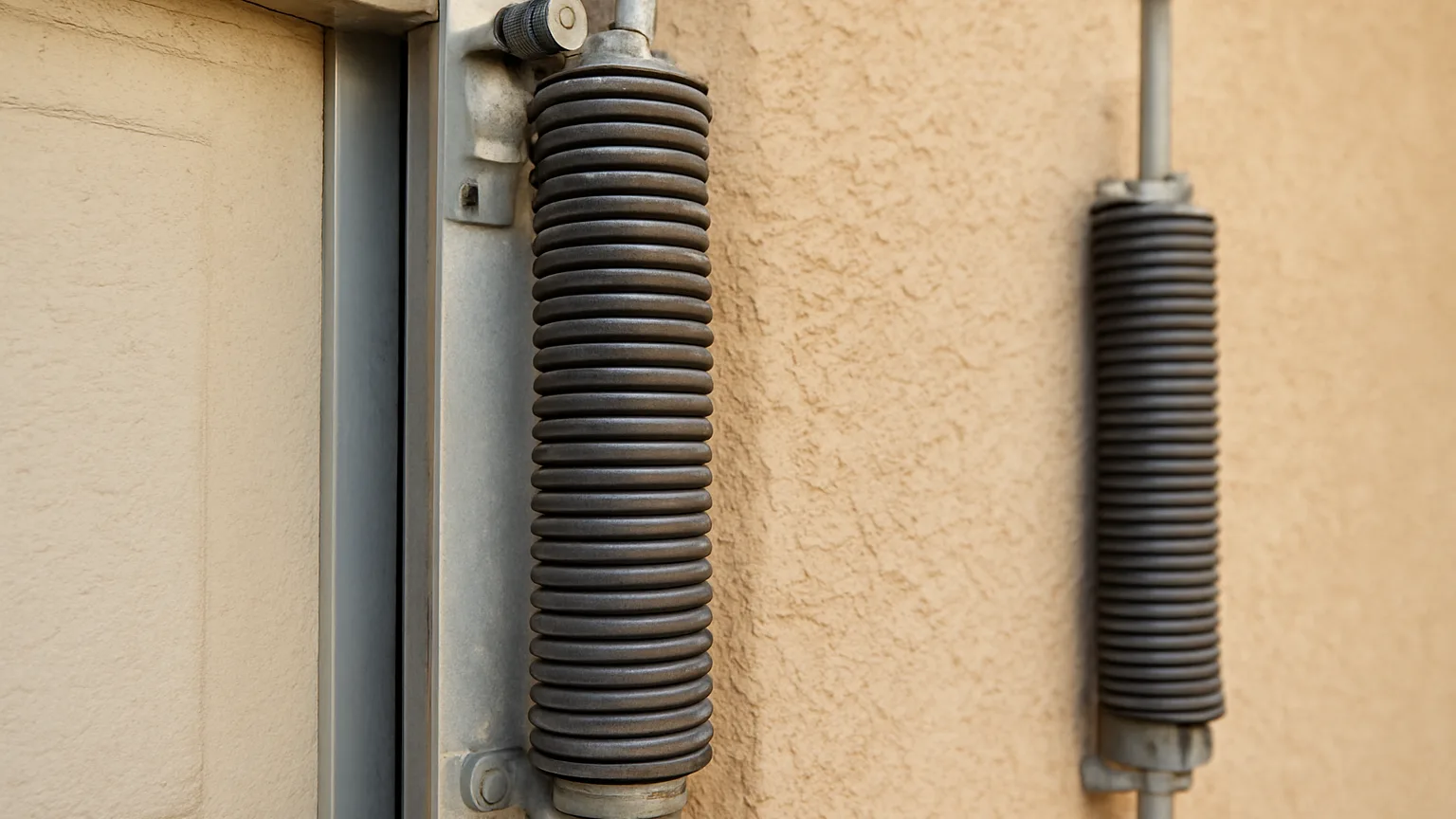
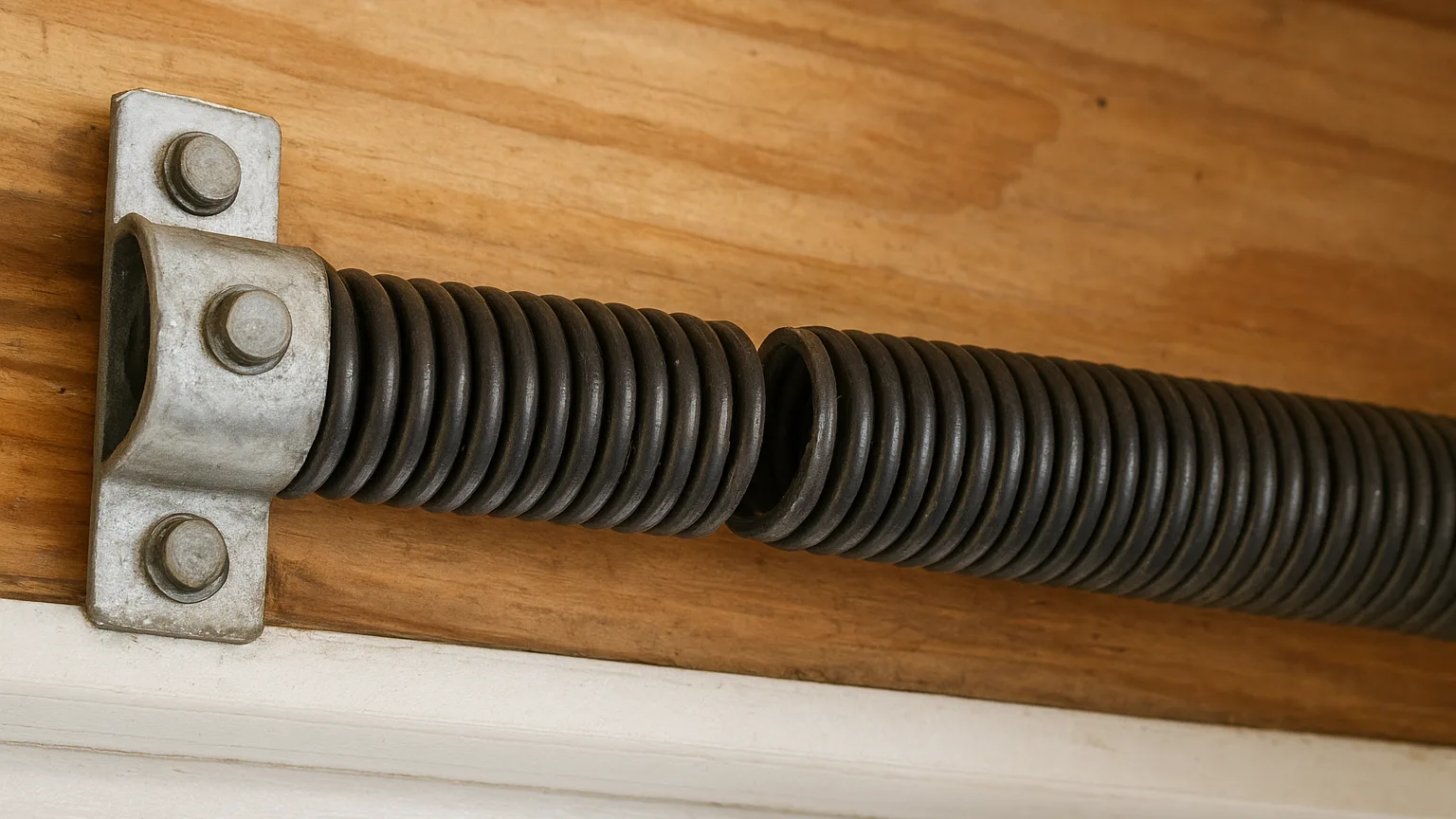
Seals and hardware. Bottom, side, and top seals are what keep dust out, and dust is what kills rollers, bearings, and opener gears, which ties directly back to the repair-cost patterns covered in the cheap repair is usually. Nylon rollers with sealed bearings run quieter and survive grit better than the steel rollers builders often install, and galvanized torsion springs with a higher cycle rating are worth the upgrade.
The door matters. The install matters more. A premium door hung on out-of-plumb track with reused hardware will behave like a cheap door within two years, and Arizona sees plenty of seasonal outfits that appear before storm season and vanish after it.
"The install details people never think to ask about are the ones that decide whether a door lasts eight years or twenty," says Marcus Delgado, lead installation specialist at On Track Garage Door. "Spring sizing, track alignment, and seal fit are where the real difference shows up."
Get three quotes and read what is missing rather than just comparing totals. The cheapest number usually leaves out haul-away, new track, seals, or opener reprogramming, and technicians at On Track Garage Door Service point out that those omissions are exactly what turn a bargain bid into a surprise invoice.
The thread across these three articles has been consistent: a door tells you it is struggling long before it fails, the small repairs that feel thrifty compound into something larger, and the Arizona calendar is unforgiving. Heat, UV, and dust do not pause while you think it over, and neither do review committees, manufacturing queues, or the phone lines at every shop in the Valley once the wind picks up.
This is one of the few home decisions where being early costs almost nothing and being late costs plenty. Pick a cool, quiet stretch of the year. Walk the door, run the numbers, get your HOA paperwork moving, and interview installers when they have time to actually answer your questions. Do that, and the next dust wall is just weather instead of an emergency.
Call or text today, we are here to help!
602-422-9870